%2Ffit-in%2F250x250%2Fguide_websites%2F55594%2Fimages%2F175954698790997158378-24df-4e03-8076-eaee4fb84be9.png&w=1920&q=100)
/users/f3f2c67b-3c67-4717-afb3-dd39587c1d80/ratecard/449521195_18258711643221817_2809748237052210259_n-mmbg3e2r.jpg)
%2F300x300%2Fusers%2Ff3f2c67b-3c67-4717-afb3-dd39587c1d80%2Fratecard%2F449521195_18258711643221817_2809748237052210259_n-mmbg3e2r.jpg&w=256&q=75)
%2F300x300%2Fusers%2Ff3f2c67b-3c67-4717-afb3-dd39587c1d80%2Fimages%2Fbest-great-fishing-rhode-island-2615.jpg&w=256&q=75)
%2F300x300%2Fusers%2Ff3f2c67b-3c67-4717-afb3-dd39587c1d80%2Fimages%2Fyellowfin-tuna-fishing-ri-2629.jpg&w=256&q=75)
%2F300x300%2Fusers%2Ff3f2c67b-3c67-4717-afb3-dd39587c1d80%2Fimages%2Fstriped-bass-fishing-ri-2697.jpg&w=256&q=75)
%2F300x300%2Fusers%2Ff3f2c67b-3c67-4717-afb3-dd39587c1d80%2Fimages%2Ffishing-fun-rhode-island-2575.jpg&w=256&q=75)
%2F300x300%2Fusers%2Ff3f2c67b-3c67-4717-afb3-dd39587c1d80%2Fimages%2Fatlantic-bonito-fishing-ri-2622.jpg&w=256&q=75)
%2F300x300%2Fusers%2Ff3f2c67b-3c67-4717-afb3-dd39587c1d80%2Fimages%2Fsummer-flounder-jamestown-fishing-2618.jpg&w=256&q=75)
%2F300x300%2Fusers%2Ff3f2c67b-3c67-4717-afb3-dd39587c1d80%2Fimages%2Fwinter-flounder-fishing-jamestown-2681.jpg&w=256&q=75)
%2F300x300%2Fusers%2Ff3f2c67b-3c67-4717-afb3-dd39587c1d80%2Fimages%2Fstriped-bass-fishing-ri-2666.jpg&w=256&q=75)
%2F300x300%2Fusers%2Ff3f2c67b-3c67-4717-afb3-dd39587c1d80%2Fimages%2Fyellowfin-tuna-jamestown-fishing-2609.jpg&w=256&q=75)
%2F300x300%2Fusers%2Ff3f2c67b-3c67-4717-afb3-dd39587c1d80%2Fimages%2Fstriped-bass-jamestown-fishing-2638.jpg&w=256&q=75)
Rhode Island Tuna Fishing Charter Fishfreshlysalted
What you will be catching:
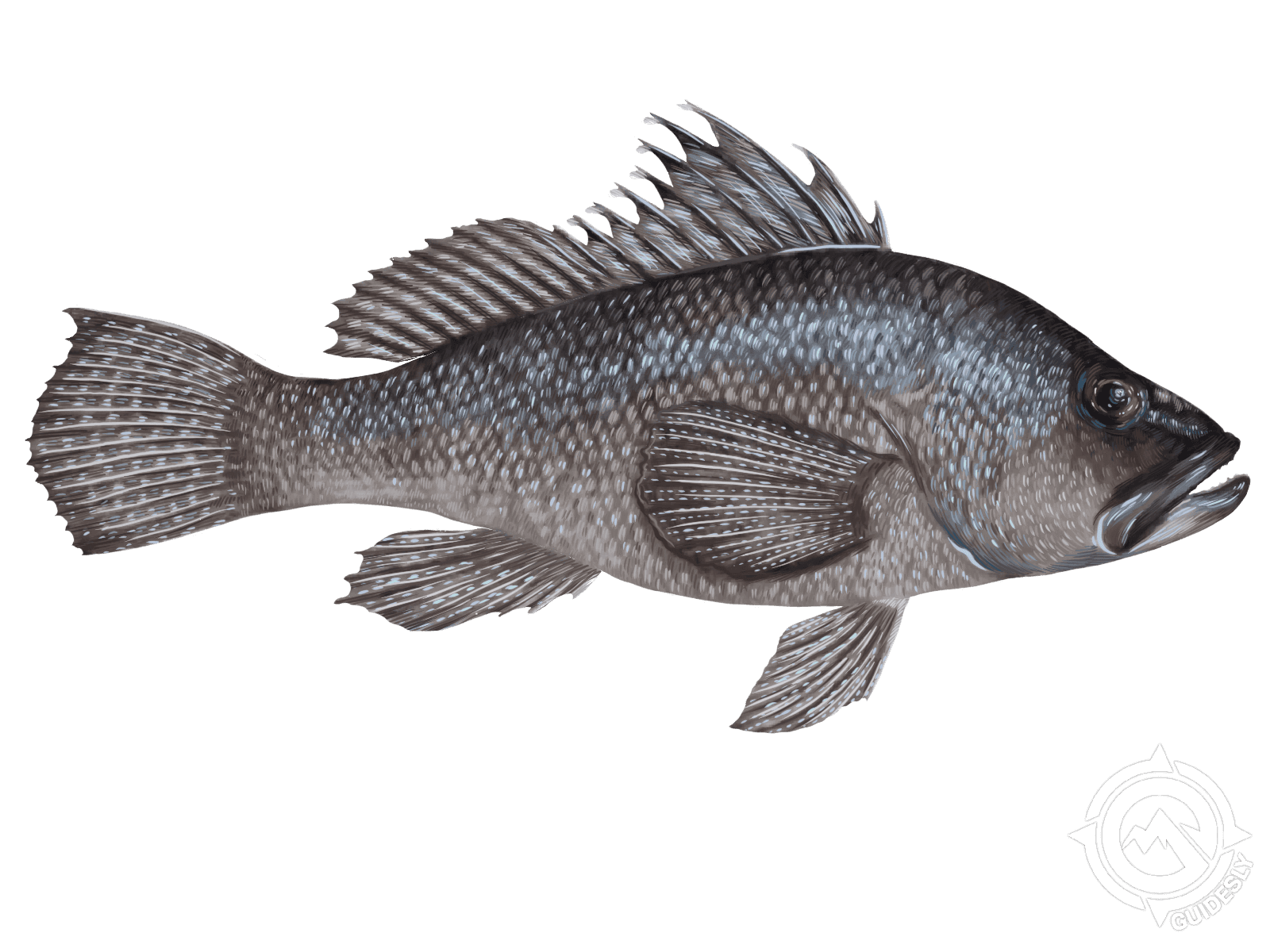
 Black Sea Bass
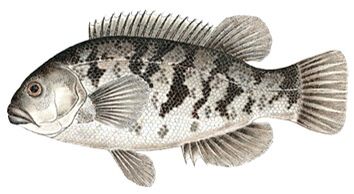 Tautog
- This full-day Rhode Island charter targets blackfish and tautog during peak fall season with Captain Taylor Brown. You'll fish productive Atlantic bottom grounds aboard a 32-foot Regulator that handles up to six anglers. The trip runs eight hours through October and November when these fish are most active. All tackle, bait including crabs, and professional guidance come included in the rate. Captain Brown specializes in bottom fishing techniques and knows the local waters well. The boat's twin Yamaha engines get you to the best spots efficiently, and the center console design gives everyone room to fish comfortably. Perfect for beginners or experienced anglers looking to target these hard-fighting Rhode Island favorites.
Trip Pricing and Availabilities:
Full Day Rhode Island Blackfish & Tautog Trip
When October rolls around and the water starts cooling down, Rhode Island's blackfish season kicks into high gear. Captain Taylor Brown has been working these waters for years, and he knows exactly where the tog are hiding when the fall bite turns on. This isn't your typical half-day quickie – we're talking about a serious 8-hour commitment aboard his 32' Regulator that'll put you on some of the most productive blackfish grounds off the Rhode Island coast. With twin Yamaha engines pushing this center console, you'll cover more water and hit the honey holes that weekend warriors just can't reach.
What to Expect on the Water
This trip is all about getting you dialed in on Rhode Island's fall blackfish bite during prime time – October through November when these fish are feeding heavy before winter. Captain Taylor keeps his groups small at six anglers max, which means more room to work and better chances at keeper fish for everyone. The 32' Regulator gives you a rock-solid platform for bottom fishing, and those twin Yamahas mean we're not wasting time getting to the spots. You'll be working both coastal structure and offshore grounds where the big tog like to hang out. All your gear is covered – high-end rods and reels, fresh crab bait, and everything else you need to put fish in the cooler. Whether you've been blackfish hunting for decades or this is your first time dropping a crab down to the rocks, Taylor's got the patience and knowledge to get you hooked up.
Bottom Fishing Techniques
Blackfish fishing is all about precision and feel – these aren't bass that'll slam your bait and run. You're working structure with specialized rigs, feeling for that subtle tap-tap-tap that tells you a tog is mouthing your crab. Captain Taylor sets you up with the right weight for the current and depth, usually running a simple high-low rig or blackfish rigs that get your bait right where it needs to be. Fresh green crabs are the ticket here, and Taylor makes sure you've got plenty of quality bait that'll stay on the hook. The key is keeping tight to the bottom without getting hung up in the rocks – it's a fine line that separates the guys who catch fish from those who just donate tackle. You'll be working wrecks, rocky bottom, and structured areas where blackfish feel comfortable feeding. The boat's got all the electronics to mark fish and structure, plus Taylor knows these spots like his backyard.
Top Catches This Season
Rhode Island's blackfish population has been showing strong numbers in recent years, and the quality of fish coming over the rails reflects that. Most keeper tautog you'll see range from 14 to 18 inches, with those chunky 3 to 5-pound fish making up the bulk of a good day's catch. But it's those 6-plus pound doormat blackfish that keep anglers coming back – fish that have been working these same rocks for years and know every trick in the book. Black sea bass mix into the action too, especially early in the season, and while they're smaller than the tog, they're aggressive biters that keep the action steady between blackfish. The daily bag limits keep things sustainable, so you're looking at quality over quantity. A good day might see the boat boxing 20-30 keeper blackfish between all anglers, with everyone going home with enough fillets for a few solid dinners.
Species You'll Want to Hook
Tautog are the real prize of Rhode Island's fall fishing scene, and for good reason. These fish are built like underwater bulldogs – thick, powerful, and stubborn as hell once you hook one. They've got crushing jaws designed for eating crabs and mussels off the rocks, which makes them perfect targets for crab bait presentations. Blackfish are homebodies that stick to the same structure year after year, so when you find a good spot, it tends to produce consistently. The best part about targeting tog in October and November is they're feeding heavily before winter, making them more aggressive than during the summer months. A 4-pound blackfish might not sound huge, but wait until you feel one pulling toward the rocks on the other end of your line. They fight dirty, using every piece of structure they can find to break you off.
Black sea bass round out the mixed bag and they couldn't be more different from blackfish in terms of attitude. These guys are opportunistic feeders that'll hit your crab bait aggressively, often beating the tog to the punch. They're smaller than blackfish typically, but they make up for size with pure scrappiness. Sea bass will hit hard and make multiple runs, giving you that classic head-shaking fight that makes light tackle sing. While you might not get the same meat yield as a big blackfish, sea bass are excellent table fare with firm, white meat that's perfect for fish tacos or a simple pan-fry. The mixed bag approach keeps things interesting – you never know if that bite is going to be a stubborn tog or a feisty sea bass.
Time to Book Your Spot
Fall blackfish season in Rhode Island is short but sweet, and the weather window gets tighter as we push toward Thanksgiving. Captain Taylor's reputation for putting clients on quality fish means his calendar fills up fast during peak season. At $1,400 for up to six anglers, you're getting a full day with a top-rated captain who knows these waters inside and out, plus all the gear and bait you need to succeed. The $300 deposit locks in your date, and Taylor's fair about weather cancellations – nobody wants to be out there when it's blowing 25 knots. This is the kind of trip that turns into an annual tradition for serious blackfish hunters, and with Rhode Island's tog fishing only getting better, there's no better time to get in on the action.
Learn more about the animals
Black Sea Bass
Black sea bass are scrappy bottom dwellers that'll give you a solid fight until they break the surface. Most run 1-4 pounds, but the bigger males can push 8+ pounds in deeper water around wrecks and rocky bottom. They're plump-bodied members of the grouper family with distinctive white-spotted fins. Spring through fall is your best bet, especially around structure like jetties, wrecks, and rocky outcrops in 20-120 feet of water. What guests love is their aggressive bite and excellent eating quality - sweet, flaky white meat that's hard to beat. Pro tip: they're curious fish, so drop your squid or crab bait right to the bottom, then lift it a foot or two. That movement often triggers strikes from fish that were just watching.
Tautog
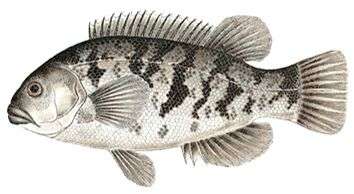
Also called blackfish, tautog are chunky, thick-skinned fighters that love rocky structure and jetties. These wrasse family members typically run 1-3 pounds but can hit 20+ pounds if you're lucky. They've got powerful jaws designed to crush crabs and mussels, which makes them territorial around their rocky homes. Fall is prime time here in Rhode Island - October and November when they're feeding heavy before winter. What makes them special is the challenge - they're structure huggers, so you'll lose some tackle, but the fight and the table fare make it worth it. Here's the key: use fresh green crab, crush the legs for scent, and fish right on the rocks but be ready to pull them out fast once hooked.
About the Fishfreshlysalted
%2F%2Fusers%2Ff3f2c67b-3c67-4717-afb3-dd39587c1d80%2Fvehicle_picture%2Fcaptaintaylorbrown-mgbmp6ze.jpg&w=1920&q=75)
Vehicle Guest Capacity: 6
Manufacturer Name: Yamaha
Maximum Cruising Speed: 30
Number of Engines: 1
Horsepower per Engine: 250
Fish aboard a rugged 32' Regulator center console with twin Yamaha engines for this full-day Rhode Island blackfish and tautog adventure. Captain Taylor Brown knows the productive Atlantic grounds where these tasty bottom dwellers hang out during peak October and November season. The spacious boat handles up to 6 anglers and cuts through coastal waters with ease, giving you a rock-solid platform for serious bottom fishing. All top-quality gear, fresh crab bait, and expert guidance included in the 8-hour trip. Perfect for beginners and seasoned anglers alike - the captain will teach you specialized techniques to hook into these hard-fighting fish. These Rhode Island waters produce some fantastic tautog action when conditions align during fall months.