%2Ffit-in%2F250x250%2Fguide_websites%2F55594%2Fimages%2F175954698790997158378-24df-4e03-8076-eaee4fb84be9.png&w=1920&q=100)
/users/f3f2c67b-3c67-4717-afb3-dd39587c1d80/ratecard/469820223_18276684634221817_5733336641100741525_n-mgbn8l8f.jpg)
%2F300x300%2Fusers%2Ff3f2c67b-3c67-4717-afb3-dd39587c1d80%2Fratecard%2F469820223_18276684634221817_5733336641100741525_n-mgbn8l8f.jpg&w=256&q=75)
%2F300x300%2Fusers%2Ff3f2c67b-3c67-4717-afb3-dd39587c1d80%2Fimages%2Fbest-great-fishing-rhode-island-2615.jpg&w=256&q=75)
%2F300x300%2Fusers%2Ff3f2c67b-3c67-4717-afb3-dd39587c1d80%2Fimages%2Fyellowfin-tuna-fishing-ri-2629.jpg&w=256&q=75)
%2F300x300%2Fusers%2Ff3f2c67b-3c67-4717-afb3-dd39587c1d80%2Fimages%2Fstriped-bass-fishing-ri-2697.jpg&w=256&q=75)
%2F300x300%2Fusers%2Ff3f2c67b-3c67-4717-afb3-dd39587c1d80%2Fimages%2Ffishing-fun-rhode-island-2575.jpg&w=256&q=75)
%2F300x300%2Fusers%2Ff3f2c67b-3c67-4717-afb3-dd39587c1d80%2Fimages%2Fatlantic-bonito-fishing-ri-2622.jpg&w=256&q=75)
%2F300x300%2Fusers%2Ff3f2c67b-3c67-4717-afb3-dd39587c1d80%2Fimages%2Fsummer-flounder-jamestown-fishing-2618.jpg&w=256&q=75)
%2F300x300%2Fusers%2Ff3f2c67b-3c67-4717-afb3-dd39587c1d80%2Fimages%2Fwinter-flounder-fishing-jamestown-2681.jpg&w=256&q=75)
%2F300x300%2Fusers%2Ff3f2c67b-3c67-4717-afb3-dd39587c1d80%2Fimages%2Fstriped-bass-fishing-ri-2666.jpg&w=256&q=75)
%2F300x300%2Fusers%2Ff3f2c67b-3c67-4717-afb3-dd39587c1d80%2Fimages%2Fyellowfin-tuna-jamestown-fishing-2609.jpg&w=256&q=75)
%2F300x300%2Fusers%2Ff3f2c67b-3c67-4717-afb3-dd39587c1d80%2Fimages%2Fstriped-bass-jamestown-fishing-2638.jpg&w=256&q=75)
World-Class 6-Hour Inshore Fishing in Rhode Island
What you will be catching:
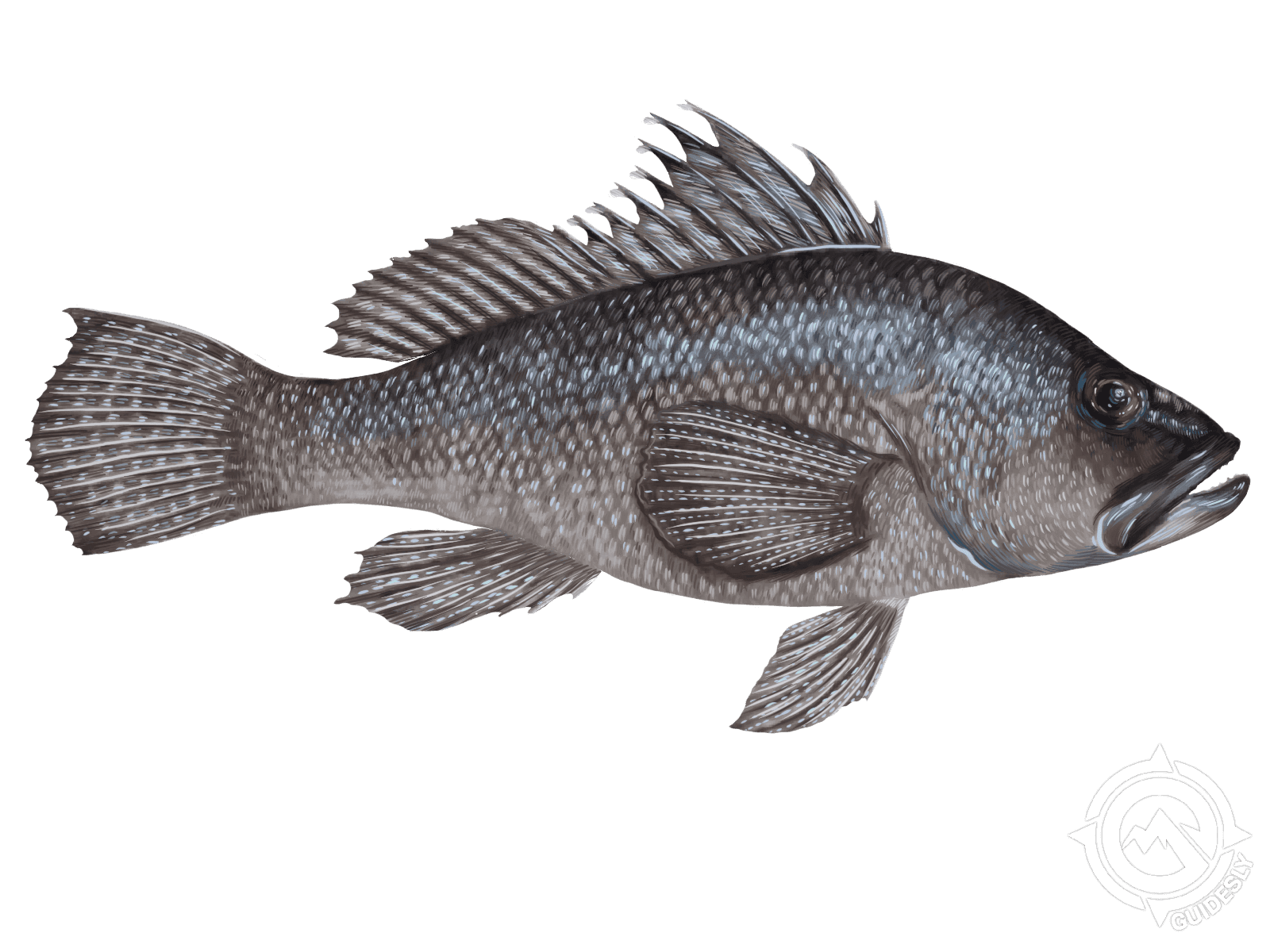
 Black Sea Bass
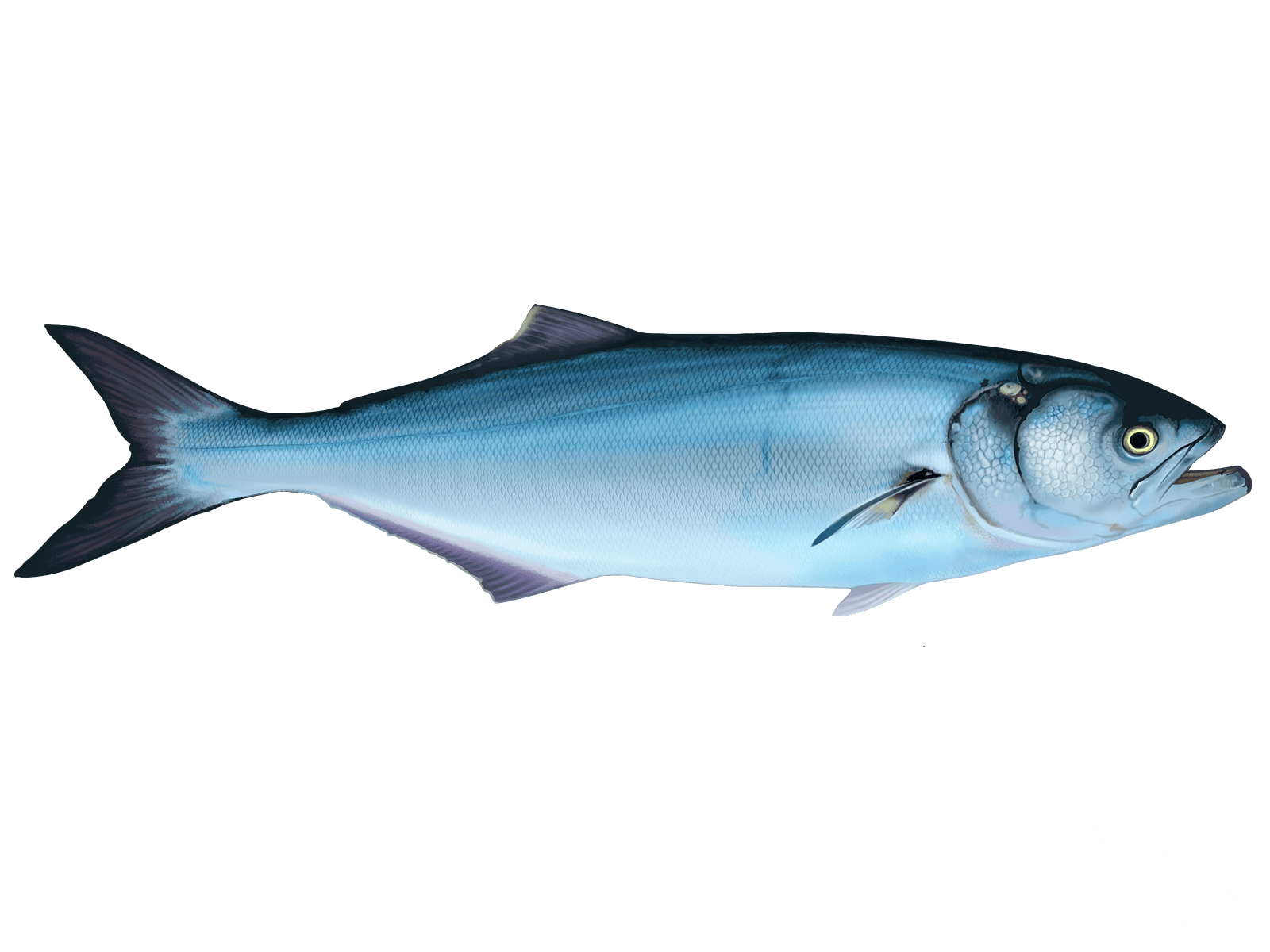
 Bluefish
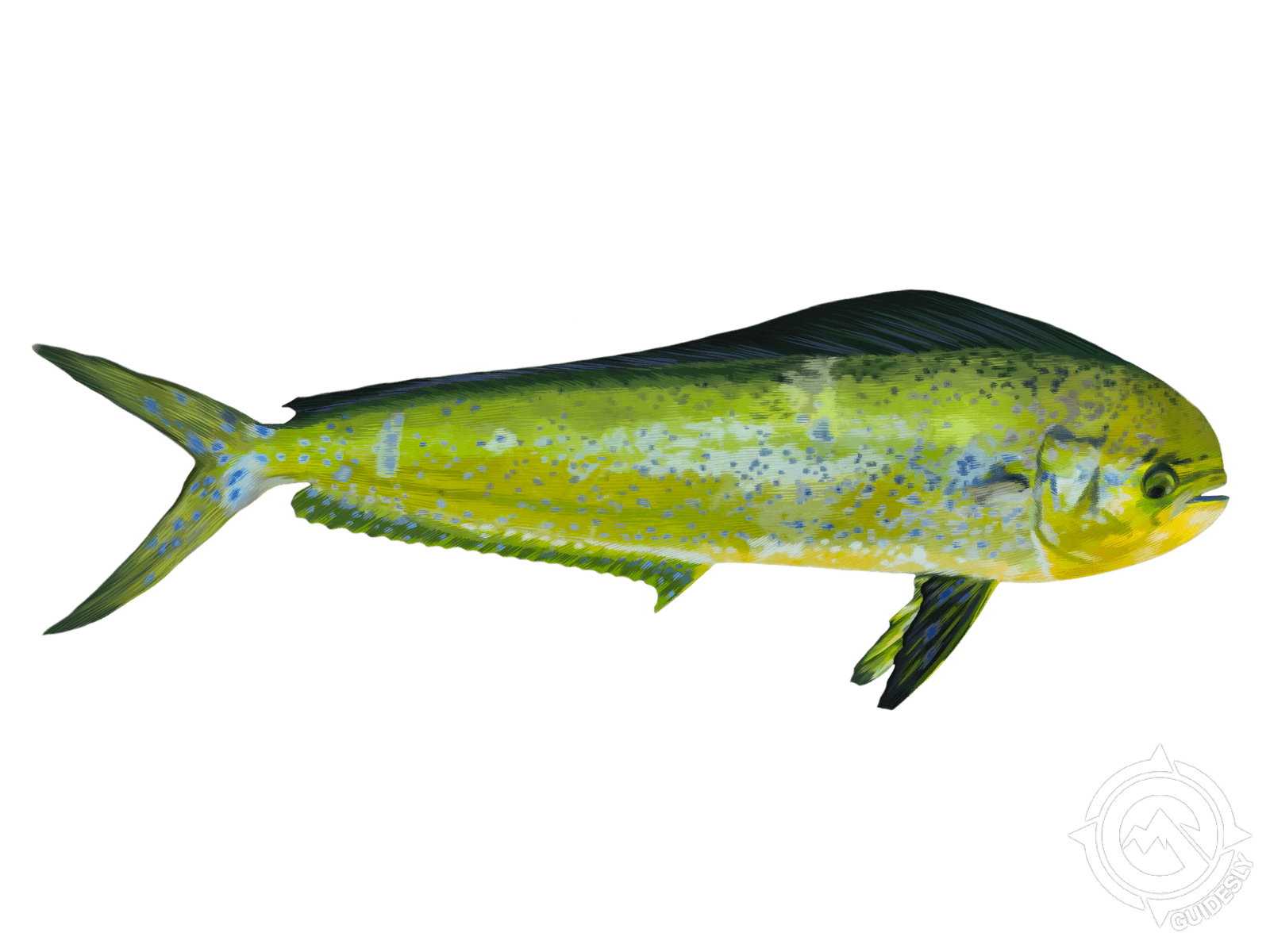
 Mahi Mahi or Common Dolphinfish
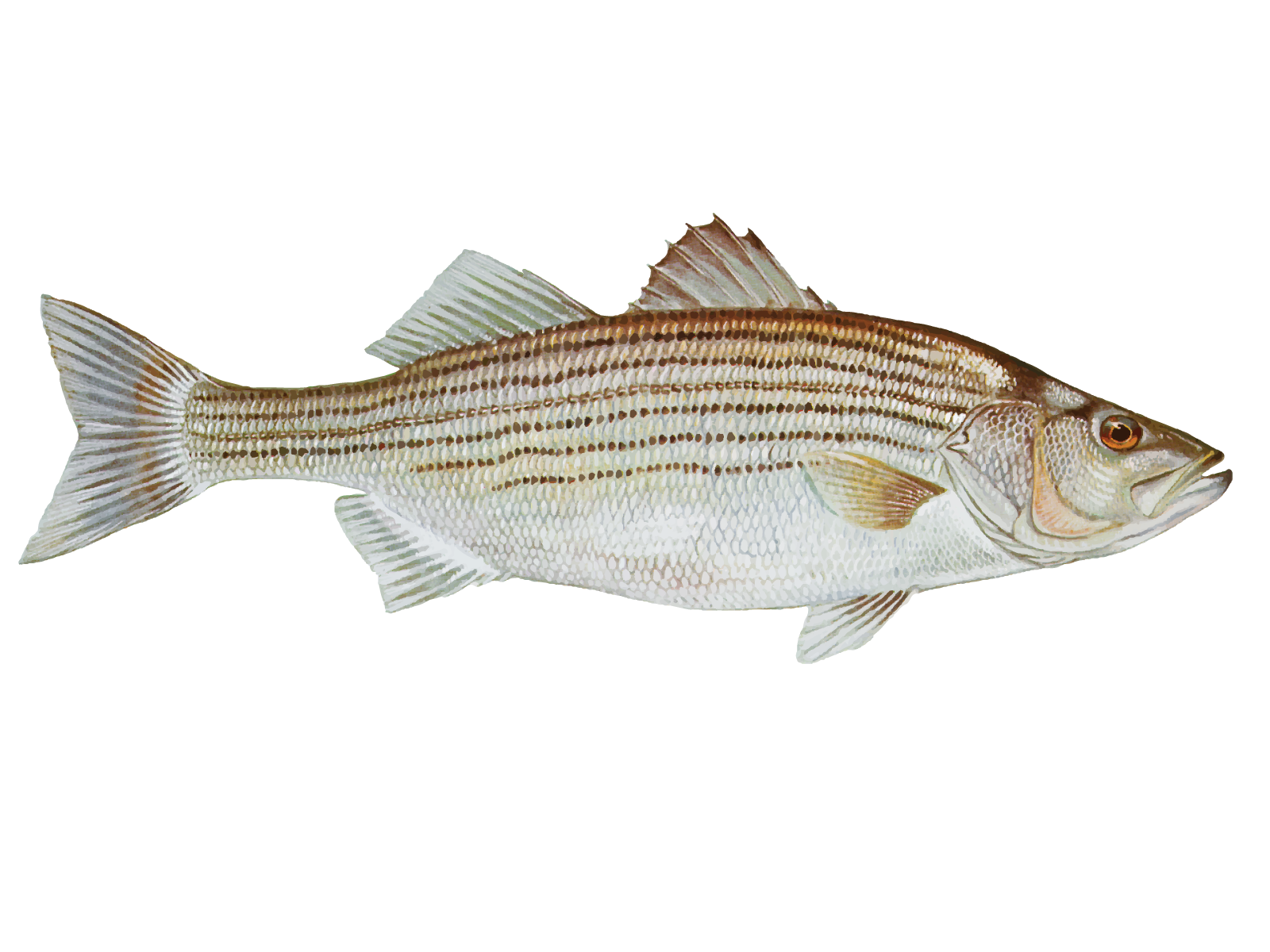 Striped Bass
 Yellowfin Tuna
- Captain Taylor Brown runs a solid 6-hour inshore fishing trip out of Jamestown Newport Ferry aboard his 32' Regulator. You'll target tuna, bluefish, black sea bass, and striped bass across Rhode Island waters, Block Island Sound, and around Martha's Vineyard. From late July through mid-September, there's also a good shot at mahi mahi. The boat handles up to 4 people and focuses on light tackle fishing with specialized jigging and popping techniques. All the high-end gear is provided, so you just need to show up ready to fish. Taylor knows these coastal waters well and works with anglers of all skill levels to put you on fish. The trip covers a lot of productive water in those 6 hours.
Trip Pricing and Availabilities:
Extended Half Day Rhode Island Offshore Fishing
Captain Taylor Brown's extended half day fishing charter gives you six solid hours to chase some of Rhode Island's hottest offshore action. Departing from the Jamestown Newport Ferry, you'll fish the productive waters around Block Island Sound and even venture toward Martha's Vineyard when conditions are right. This isn't your typical four-hour rush job – with six hours on the water, we have real time to work different spots and adapt to what the fish are doing. The 32-foot Regulator center console handles these waters like a dream, and with room for just four anglers, everyone gets plenty of space to work without bumping elbows.
What to Expect on the Water
This trip runs from a top-rated 32-foot Regulator center console that's built for Rhode Island's coastal conditions. Twin Yamaha engines get us to the fish fast and keep us comfortable when we need to make moves between spots. Captain Taylor focuses on light tackle fishing methods that put you right in the action – think specialized jigging techniques and topwater popping that gets your heart racing when those fish explode on the surface. The boat's setup is perfect for working these techniques, with plenty of room to move around and fight fish properly. All the high-end tackle is provided, so you don't need to worry about bringing anything except your fishing license and some snacks if you want them. The extended timeframe means we can really dial in on what's working instead of rushing through spots.
Techniques That Get Results
Light tackle jigging is the bread and butter technique here, especially when we're working structure for striped bass and black sea bass. Captain Taylor uses specialized jigs that match what these fish are feeding on, and he'll teach you the right cadence to make them irresistible. When tuna are around, we switch to topwater popping – there's nothing quite like watching a 30-pound yellowfin come up and crush a popper right on the surface. The gear is all high-quality stuff that can handle these fish but still gives you that sporting fight that makes offshore fishing so addictive. Depending on conditions and what we're seeing on the fish finder, we might also do some light trolling to cover water and locate schools. The captain reads the water and adjusts techniques throughout the day to keep you on fish.
Target Species Breakdown
Striped bass are the backbone of Rhode Island fishing, and these waters consistently produce quality fish from 20 to 40 pounds. They're most active during moving tides and love to feed around structure and baitfish schools. What makes stripers so popular is their aggressive strikes and strong fights – they'll make multiple runs and really test your drag system. Peak season runs from May through October, with some of the best action happening in early fall when they're feeding heavily before their southern migration.
Yellowfin tuna bring the offshore excitement to Rhode Island waters, typically showing up in good numbers from July through September. These fish are pure muscle and speed, capable of stripping line off your reel faster than you'd believe. Most of the yellowfin we see range from 15 to 50 pounds, with the occasional larger fish mixed in. They're attracted to temperature breaks and baitfish concentrations, and when you find them, the action can be non-stop. Landing a yellowfin on light tackle is a real accomplishment that gets anglers hooked on offshore fishing.
Bluefish are the most reliable action you'll find in these waters, with good populations present from spring through fall. They're aggressive predators that will hit almost anything you throw at them, making them perfect for anglers of all skill levels. Blues in this area typically run from 3 to 12 pounds, with the larger "chopper" blues providing serious fights and excellent table fare when handled properly. They often feed in large schools, so when you find them, everyone on the boat usually gets in on the action.
Mahi mahi are the wild card species that show up during the warmer months from late July through mid-September. These are truly offshore fish that bring tropical colors and acrobatic fights to New England waters. Rhode Island mahi typically range from 10 to 25 pounds and are known for their brilliant gold, blue, and green coloration. They're often found around floating debris or weed lines, and once you hook one, there's usually more in the area. Their aggressive nature and spectacular jumps make them a customer favorite when they're around.
Black sea bass are the perfect complement to the bigger gamefish, providing consistent action and excellent eating. These bottom dwellers love structure and are particularly abundant around Rhode Island's rocky areas and wrecks. Most fish range from 1 to 4 pounds, but the technique required to catch them consistently takes some skill. They're available year-round but really shine during the warmer months when they're more active and feeding aggressively.
Time to Book Your Spot
This extended half day format gives you the best of both worlds – serious fishing time without committing to a full day trip. With Captain Taylor's local knowledge and the right equipment, you'll have every opportunity to experience world-class fishing in some of New England's most productive waters. The $300 deposit secures your spot, and the captain's weather guarantee means you're protected if conditions don't cooperate. Whether you're looking to check yellowfin tuna off your bucket list or just want to experience the consistent action these waters provide, this trip delivers the goods. Book now to secure your dates – the best fishing windows fill up fast, especially during peak season.
Learn more about the species
Black Sea Bass
Black sea bass are structure lovers that hang around wrecks, rocky bottoms, and jetties in 20-120 feet of water. Most run 1-4 pounds, though we see some nice 6-8 pounders on deeper structure. They're available late spring through summer when they move inshore to spawn, with males turning bright blue and developing that distinctive hump on their head. What makes them popular is their willingness to bite and they're some of the best eating fish in these waters - sweet, white, flaky meat. They're part of the grouper family and fight surprisingly hard for their size until you get them off the bottom. The key is getting your bait right to the structure where they live - they won't chase it far, so precise positioning matters.
Bluefish
Blues are aggressive predators that show up in our waters from June through October, typically running 3-15 pounds with razor-sharp teeth and an attitude to match. They hunt in schools around bait concentrations near shorelines, rips, and structure in 20-80 feet of water. These fish are known for their feeding frenzies, often called "bluefish blitz," where they'll attack anything that moves. They fight hard with strong runs and are decent eating when handled properly - bleed them right away and keep them cold. The smaller "cocktail blues" are perfect for beginners, while the bigger choppers will test your tackle. When you find one bluefish, there's usually a whole school nearby, so work the area thoroughly.
Mahi Mahi or Common Dolphinfish
Mahi mahi show up in our warmer waters from late July through mid-September, typically running 15-30 pounds with their brilliant gold and green colors. These surface dwellers love floating debris, weed lines, and temperature breaks in deeper water beyond Block Island Sound. They're incredibly aggressive feeders and put on quite a show when hooked - jumping, diving, and changing colors like a light display. The meat is firm and sweet, making them a favorite for the dinner table. Their short lifespan means they grow fast and feed hard. When we find floating sargassum or debris, I always work the edges first - that's where the biggest bulls hang out waiting to ambush baitfish.
Striped Bass
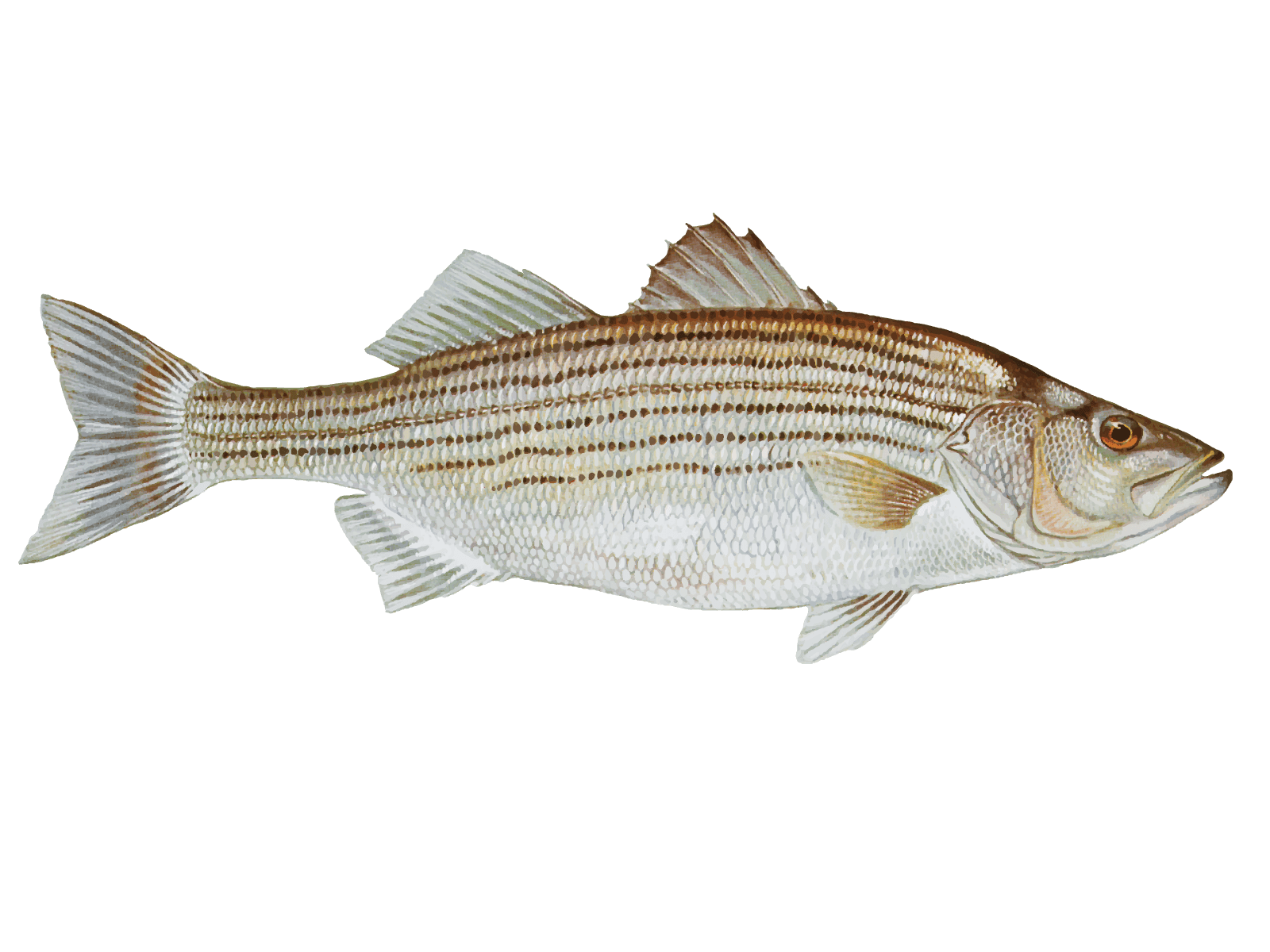
Stripers are the backbone of Rhode Island fishing, running 20-40 pounds on average with some reaching 50+. These silver beauties with their distinctive black stripes love structure - rocky points, drop-offs, and current breaks around Block Island Sound. They migrate through our waters spring through fall, with peak action May through October. What makes them special is their smart feeding behavior and strong fights in shallow water. Plus, they're fantastic eating with sweet, flaky meat. During our migration periods, look for diving birds working baitfish - that's where the stripers will be feeding underneath. I always tell guests to keep their drag loose when these fish make their first run toward structure.
Yellowfin Tuna
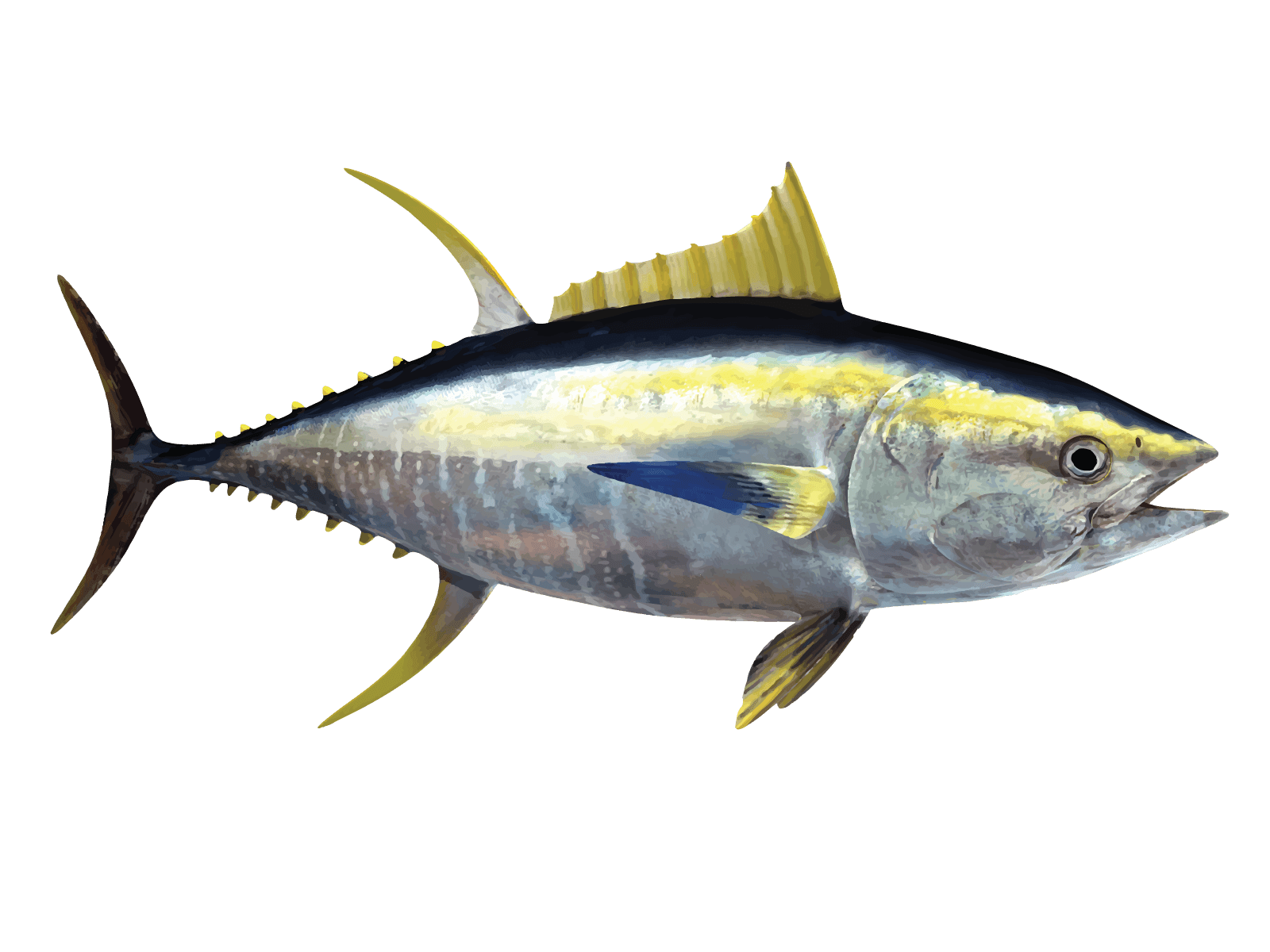
Yellowfin tuna are the speed demons of our offshore waters, typically weighing 60-100 pounds with their distinctive yellow fins and torpedo-shaped bodies. These warm-blooded fish cruise the upper water column around temperature breaks and underwater ledges beyond Block Island Sound. Peak season runs July through September when water temps are warmest. What gets people hooked is their blistering runs and incredible stamina - plus the sashimi-grade meat is unmatched. They're feeding machines that travel in schools, often mixed with other pelagic species. My go-to technique is watching for bird activity and bait schools on the surface. When you see that action, get ready because yellowfin often charge up from below to crash the party.
About the Fishfreshlysalted
%2F%2Fusers%2Ff3f2c67b-3c67-4717-afb3-dd39587c1d80%2Fvehicle_picture%2Fcaptaintaylorbrown-mgbmp6ze.jpg&w=1920&q=75)
Vehicle Guest Capacity: 6
Manufacturer Name: Yamaha
Maximum Cruising Speed: 30
Number of Engines: 1
Horsepower per Engine: 250
Step aboard this sleek 32-foot Regulator center console and get ready for some serious fishing action off Rhode Island's coast. Captain Taylor Brown runs a tight ship with twin Yamaha engines that'll get you to the hotspots fast. This 6-hour adventure targets everything from hard-fighting tuna and aggressive bluefish to tasty black sea bass and trophy striped bass. During late summer, you might even hook into some colorful mahi mahi. The boat comfortably handles up to 4 anglers, making it perfect for small groups who want personalized attention. You'll master light tackle techniques like jigging and popping while exploring waters around Block Island Sound and Martha's Vineyard. All top-notch gear is provided, so just bring your appetite for action. Whether you're a seasoned angler or picking up a rod for the first time, Captain Taylor will put you on fish. Departing from Jamestown Newport Ferry, this extended half-day trip delivers maximum fishing time in Rhode Island's most productive offshore waters.