%2Ffit-in%2F250x250%2Fguide_websites%2F55594%2Fimages%2F175954698790997158378-24df-4e03-8076-eaee4fb84be9.png&w=1920&q=100)
Scup Fishing in Jamestown RI with Captain Taylor Brown
Scup Fishing in Jamestown - What to Expect
%2F%2Fusers%2Ff3f2c67b-3c67-4717-afb3-dd39587c1d80%2Fimages%2Fjamestown-ri-scup-fishing-2674.jpg&w=1920&q=75)
Fishing Charter by Captain Taylor Brown in June
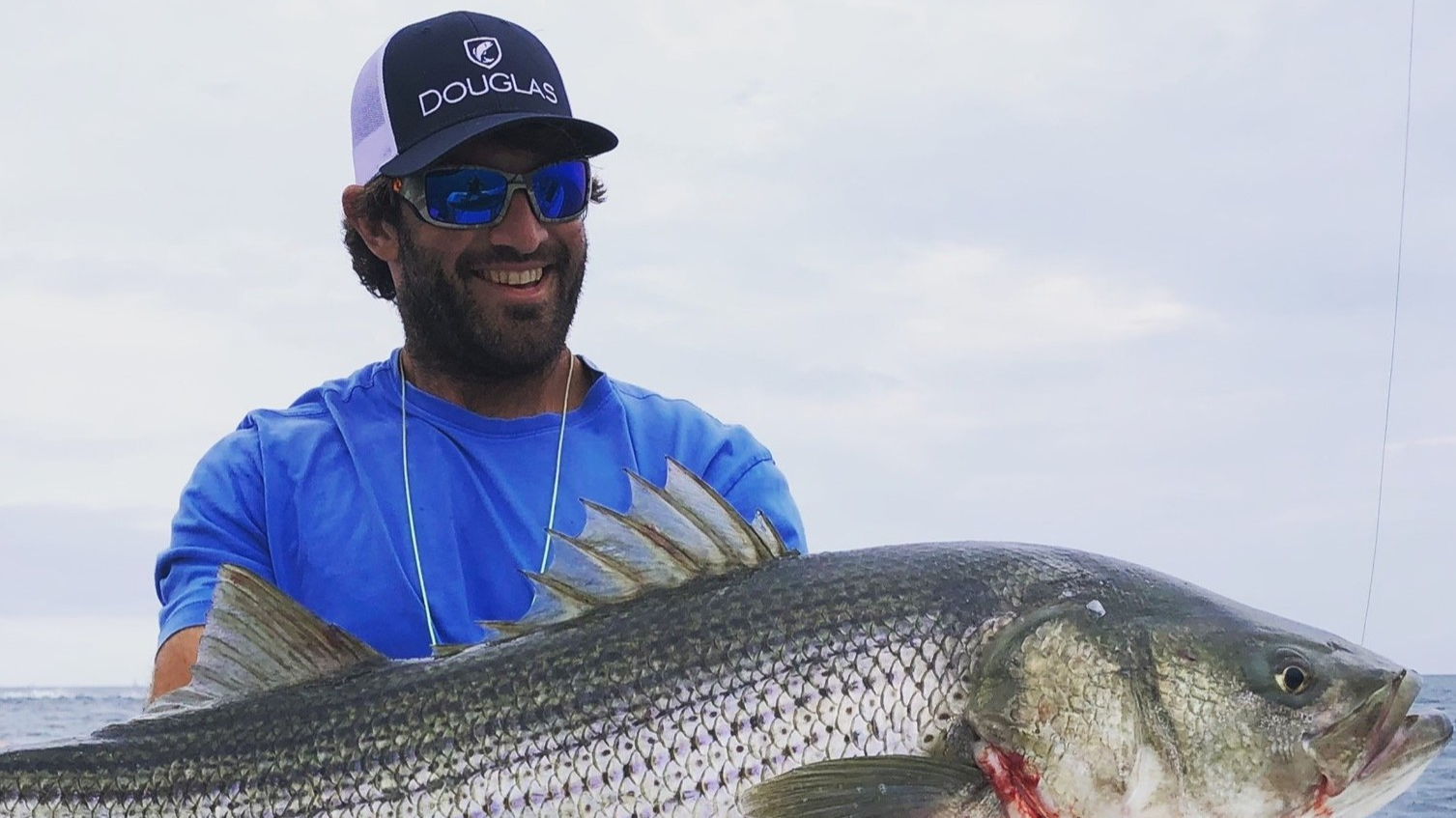
Meet your Captain Taylor Brown
- Striped Bass & Fly Fishing Charters RI


Summary
Join a fishing charter in Jamestown, Rhode Island on Wednesday, June 24th to target scup in pristine local waters. Captain Taylor Brown of Fishfreshlysalted Guide Service specializes in delivering productive days on the water where skill meets opportunity. This guided fishing experience combines local knowledge with hands-on technique to help you land quality fish in Rhode Island's premier fishing grounds.
Fishing Charter with Captain Taylor Brown - Rates & Booking
Captain Taylor Brown of Fishfreshlysalted Guide Service operates fishing charters in Jamestown, Rhode Island, where productive scup grounds and varied bottom structure create ideal conditions for an engaging day on the water. On Wednesday, June 24th, the waters around Jamestown offer excellent opportunity to target these spirited fish. This guided fishing experience puts you in prime locations where scup congregate, combining Captain Brown's local expertise with the right technique to maximize your success.
Booking a charter with Fishfreshlysalted Guide Service means accessing years of local knowledge. Captain Brown reads the water conditions, identifies productive structure, and adapts strategy based on what the fish are doing that day. Whether you're an experienced angler or developing your skills, this charter experience is built around your fishing goals and comfort level on the water.
Highlights of Your Fishing Charter
The Jamestown fishing grounds deliver consistent scup action, particularly in channels and over structured bottom where these fish hold. Captain Brown leverages his understanding of local tides, seasonal patterns, and productive depth zones to position you where fish are actively feeding. The waters here offer the kind of reliable fishing that keeps anglers coming back, with plenty of opportunities for multiple hookups throughout the day.
Beyond the fishing itself, a day on Jamestown waters reveals the natural character of Rhode Island's coastal environment. You'll experience the rhythm of tidal waters, observe the surrounding shoreline, and gain appreciation for why these grounds are favored by serious anglers. It's the combination of accessible fish, scenic surroundings, and a guide who knows exactly where to find them that makes this experience memorable.
Local Species Insights: Scup
Scup are abundant and eager feeders throughout Rhode Island's coastal waters, making them ideal targets for productive fishing. These bottom-oriented fish prefer structure, hard ground, and channels where they hunt for small crustaceans and baitfish. Scup typically congregate in groups, meaning a single productive location often yields multiple opportunities.
In Jamestown waters, scup range from keeper-size fish to larger specimens that put up solid fight when hooked. They respond well to live bait presentations and small lures worked near bottom, and they bite consistently throughout the day when conditions align. The beauty of targeting scup is their willingness to eat and the accessible depth ranges where they're found - typically 30 to 70 feet - making them perfect for a full day of engaging fishing action.
Scup exhibit predictable feeding patterns tied to tide movement and time of day. Captain Brown uses this knowledge to position your charter during optimal windows, focusing effort where and when scup are most aggressive. Their presence in large numbers throughout the fishing grounds means you'll have plenty of chances to land fish and build confidence in your technique. Whether you're learning to recognize productive structure or refining your bottom-fishing skills, scup provide immediate feedback and consistent opportunity to practice what matters.
The habitat these fish prefer - transition zones between soft and hard bottom, channels that concentrate baitfish, and structure that provides shelter - is abundant around Jamestown. This creates a fishing environment where success isn't dependent on perfect conditions or rare opportunity. Instead, it's built on solid fundamentals, good location, and the willingness to stay engaged throughout the day. That's what makes scup fishing such a satisfying way to spend time on the water.
Plan Your Fishing Day
A full day on the water with Captain Taylor Brown begins with careful attention to weather, tide, and conditions that impact where fish will be positioned. You'll depart in daylight, begin fishing immediately, and continue working productive areas throughout your charter window. Bring sunscreen, polarized sunglasses for spotting surface activity, and layers appropriate for coastal weather - conditions can shift quickly on the water.
Your success depends partly on your readiness to learn and adapt. Captain Brown will coach you on technique, help you understand what the fish are doing, and share insights about reading the water and recognizing productive structure. This collaborative approach transforms a charter into a learning experience where you leave with both fish caught and knowledge gained. The combination of action and instruction keeps the day engaging and rewarding from start to finish.
Fishing in Rhode Island: Scup
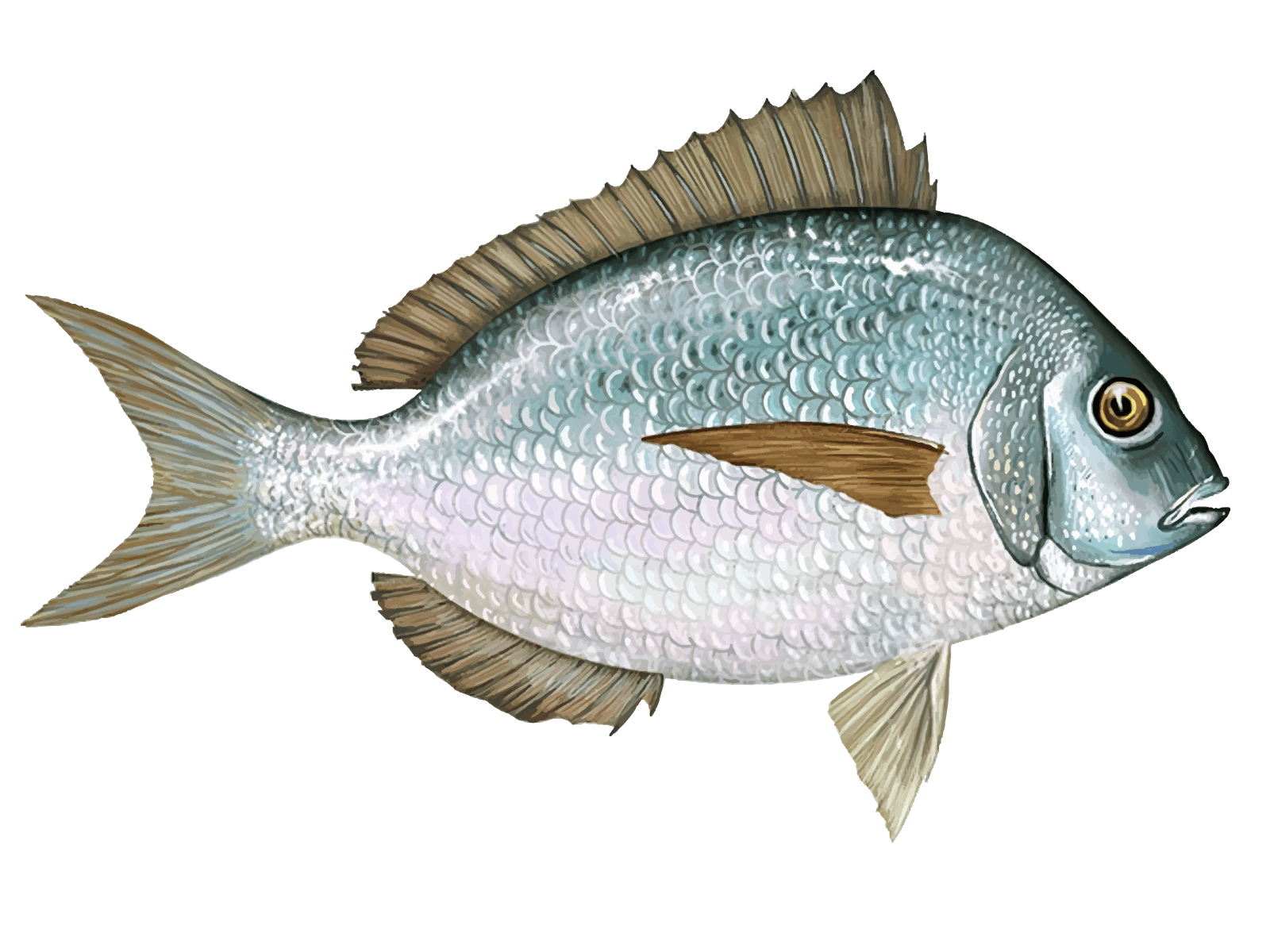
Scup Overview
The scup, scientifically known as Stenotomus chrysops and commonly called porgy, is a fascinating medium-sized fish belonging to the family Sparidae within the order Perciformes. What makes scup particularly distinctive is their tall, compressed body covered in brown coloring with iridescent silver scales that shimmer and reflect rainbow-like hues in sunlight. With their small mouths equipped with strong jaws and narrow, pointed teeth perfectly designed to crush hard shells, these fish are remarkable bottom feeders that have become increasingly popular among recreational anglers throughout coastal regions like New England and the Mid-Atlantic. Scup are an important commercial species harvested in high numbers annually and commonly exported to Japan, making them economically significant beyond their appeal to fishing enthusiasts.
Scup Habitat and Distribution
Scup are a highly migratory species that demonstrates predictable seasonal movement patterns tied directly to water temperature changes. During the warmer months from May through October, these fish congregate near the coastline and are often found within just a few miles of shore in onshore and nearshore environments. As winter approaches and water temperatures drop, scup undertake a remarkable southward and offshore migration into deeper waters to escape the cold. Interestingly, if caught in shallow, inshore waters when a sudden cold snap strikes, scup may perish, highlighting their sensitivity to rapid temperature fluctuations. Their geographic range spans the Atlantic Ocean coastline of the United States from Maine all the way south to North Carolina, with particularly robust populations found around Cape Cod, Massachusetts and throughout the New York area where they spawn seasonally.
Scup Size and Weight
Scup typically grow to an average length of 10 to 18 inches, with most specimens reaching the lower end of this range. Average weights range from 2 to 4 pounds for a standard catch, though larger specimens are certainly possible. What's particularly impressive about scup is their longevity—these fish can live up to 20 years in the wild, representing a relatively long lifespan for a fish of their size. Young scup begin reproducing at just 2 years of age and approximately 8 inches in length, indicating rapid maturation and reproductive capability that contributes to their abundance in Atlantic waters.
Scup Diet and Behavior
As dedicated bottom feeders, scup spend much of their time searching along the ocean floor for their preferred prey. You'll consistently find them hunting near rocks, pilings, and reef structures where mollusks, worms, and other small invertebrates congregate. Their strong jaws and tooth structure are perfectly evolved for crushing the hard shells of their prey, allowing them to exploit food sources that many other fish species cannot access. Scup are schooling fish, though they typically remain near the bottom rather than in open water. While not traditionally considered a sport fish, scup are surprisingly easy to catch, and anglers targeting other species frequently find themselves landing these eager biters. Interestingly, they also serve as excellent live bait for predatory species like striped bass and even white marlin, making them valuable to multi-species fishing strategies.
Scup Spawning and Seasonal Activity
Scup demonstrate fascinating reproductive behaviors that peak during late spring and summer months. From May through August, these fish spawn in weeds or sandy areas throughout southern New England, particularly between Cape Cod, Massachusetts and the New York area, with peak spawning activity occurring in June. What sets scup apart from most other fish species is their unusual spawning timing—while the vast majority of fish spawn under cover of darkness at night, scup conduct their spawning activities in the morning hours. During spawning season, females release approximately 7,000 eggs just once per year. This predictable seasonal pattern makes scup movements highly anticipatory for anglers, as migration and spawning concentrations create excellent fishing opportunities during specific windows throughout the year.
Scup Techniques for Observation or Capture
Bottom Fishing Method: The most popular and effective technique for catching scup is bottom fishing using medium tackle with a 14-pound test line. From a boat, cast your bait to the ocean floor and employ a slow, deliberate jigging motion moving your bait up and down to entice strikes. From shore, cast out your baited rig and allow it to sink completely to the bottom, then slowly reel in until your line becomes taut before beginning your jigging rhythm. Natural baits like squid, worms, or clam are highly effective, as they match the scup's natural diet of invertebrates and mollusks. A spinning rod and reel combo measuring 6 feet 6 inches to 7 feet in length with fast action and capable of handling lure weights up to 1 ounce is the optimal setup. Consider using fused or braided lines to achieve greater casting distance and improved sensitivity to bottom contact.
Drifting and Jigging: Drifting is another productive method, particularly effective when working deeper waters or broader reef structures. Allow your boat to drift with the current while maintaining bottom contact with your jig, working promising structure methodically. Around Cape Cod, Massachusetts and throughout New England coastal areas, drifting over rocky bottom and reef systems during peak season can yield consistent action.
Fly Fishing: Although scup are primarily considered a bottom species not typically targeted by fly anglers, they occasionally appear in surface schools and can be caught using small Clousers and small rain bait flies. This unconventional approach requires patience and keen observation but can produce surprising success when schools become active in shallow water.
Scup Culinary and Utilization Notes
While not necessarily celebrated for gourmet qualities, scup are considered good eating fish with pleasant, mild white flesh that takes well to various cooking preparations. Their firm texture makes them suitable for baking, pan-frying, or grilling, and they're particularly popular in Asian cuisine, which explains the significant export market to Japan. Beyond direct consumption, scup's primary value to anglers lies in their role as effective live bait for larger gamefish species. A healthy, lively scup makes an excellent choice when targeting striped bass, which actively hunt these natural prey items, or when pursuing white marlin in offshore waters.
Scup Frequently Asked Questions
Q: What is the best bait for catching scup?
A: Natural bait works exceptionally well for scup. Squid, worms, and clam are the top choices, as these baits directly mimic the mollusks and invertebrates that form the foundation of their diet. Present your bait on the bottom using a jigging motion to trigger strikes from these responsive fish.
Q: Where can I find scup near New England coastal areas?
A: From May through October, scup congregate in nearshore and onshore waters within a few miles of the coastline, particularly around rocky bottom, reefs, and pier structures. Areas around Cape Cod, Massachusetts and throughout the New York region are especially productive. During winter, they migrate to deeper offshore waters, making them inaccessible to most shore-based anglers.
Q: Is scup good to eat?
A: Yes, scup are considered good eating fish with mild, firm white flesh. They're popular in various cuisines and are commonly exported to Japan for commercial markets. They're particularly well-suited to baking, frying, and grilling preparations.
Q: When is the best time to catch scup?
A: The prime fishing season runs from May through October when water temperatures warm and scup move into coastal waters. Peak spawning activity in June often correlates with excellent fishing opportunities, and early morning and late afternoon hours typically produce the most consistent action.
Q: How easy are scup to catch?
A: Scup are extremely easy to catch and are often landed by anglers specifically targeting other fish species. Their aggressive feeding behavior, responsiveness to natural bait, and tendency to school in accessible bottom habitats make them ideal for beginning anglers or those seeking consistent action.
Q: Can scup be used as bait for other fish?
A: Absolutely. Live scup make excellent bait for striped bass and white marlin, making them valuable beyond direct consumption. Their natural prey status for these larger gamefish makes them a strategic choice for multi-species fishing approaches.